
Where to Watch the Perseid Meteor Shower in San Francisco This August
August 1st, 2026 \\ RentSFNow Blog
The Perseid meteor shower peaks on the night of August 12 into the early morning of August 13, and this year’s new moon means exceptionally dark skies for meteor watching in San Francisco. It’s one of the best opportunities in years to catch the Perseids from the city. The shower’s peak and the new moon are happening on the same night, a combination that won’t happen again for several years.
If you’ve never made a point of watching a meteor shower before, this is the year to start.
Why this year is different
Most years, the Perseids compete with some amount of moonlight, which drowns out all but the brightest meteors. This year, the peak lines up with a new moon, so the sky will be about as dark as San Francisco gets. Combined with the shower’s naturally high rate of bright, fast meteors, it’s a rare alignment that won’t repeat again for a few years.
When to go outside
- Peak night: August 12 into the early morning of August 13
- Best viewing window: midnight to just before dawn, when the shower’s radiant point climbs highest in the sky
- No telescope needed. Meteors move too fast across too much sky for a telescope to help. Your eyes are the best tool you have
Give your eyes 20–30 minutes to adjust to the dark before you start counting meteors. It’s tempting to check your phone while you wait, but every glance at a bright screen reset that adjustment.
One tip that makes a real difference: the meteors technically radiate from the constellation Perseus, but you’ll usually see longer, brighter streaks by looking about 45–60 degrees away from that point rather than staring directly at it.
Where to watch, right in the city
San Francisco’s city lights work against you here, but elevation and an open sky still go a long way. Some of the best in-city spots:
- Bernal Heights Park, a short climb to a 360-degree view over the whole Bay Area
- Twin Peaks, with open sky in every direction, though it can get crowded and windy
- Corona Heights Park, a smaller, quieter climb near the Castro with a surprisingly wide sky view
- Strawberry Hill, Golden Gate Park, with good tree cover from street-level light and open sky above
- Lands End, with wide ocean-facing views, especially good if the fog stays offshore
- Crissy Field, with open bay views, best on nights when the fog cooperates
San Francisco’s marine layer can move in quickly, especially along the coast. Check the forecast before heading out, and if fog looks likely, higher elevations or inland viewpoints are often your best bet for clear skies.
Willing to drive a little farther?
If you want genuinely dark skies, a short trip out of the city makes a real difference:
- Hawk Hill in the Marin Headlands, about 20–30 minutes away, with Golden Gate Bridge views as a bonus
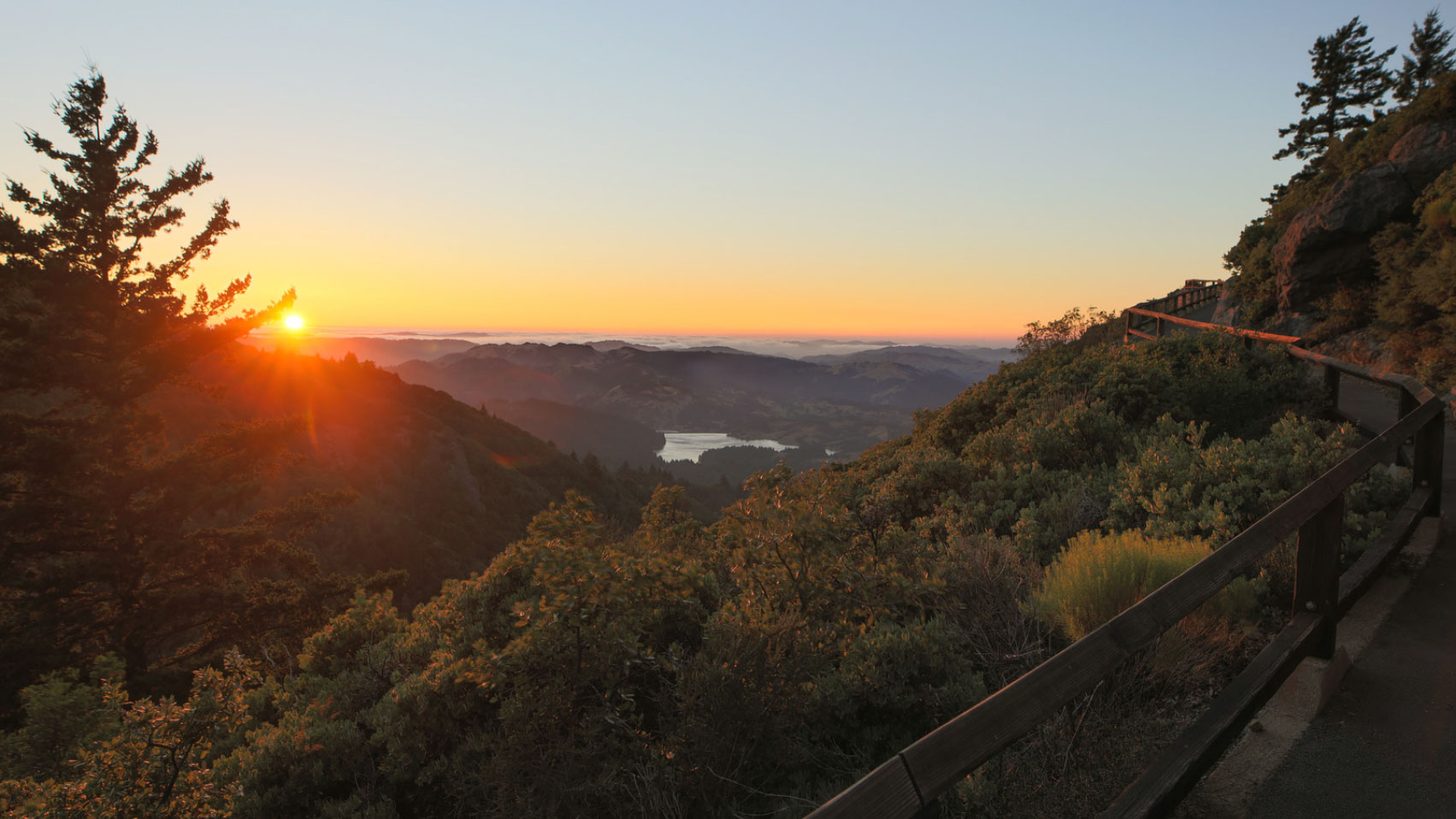
- Mount Tamalpais, with darker skies than almost anywhere else within an hour of the city
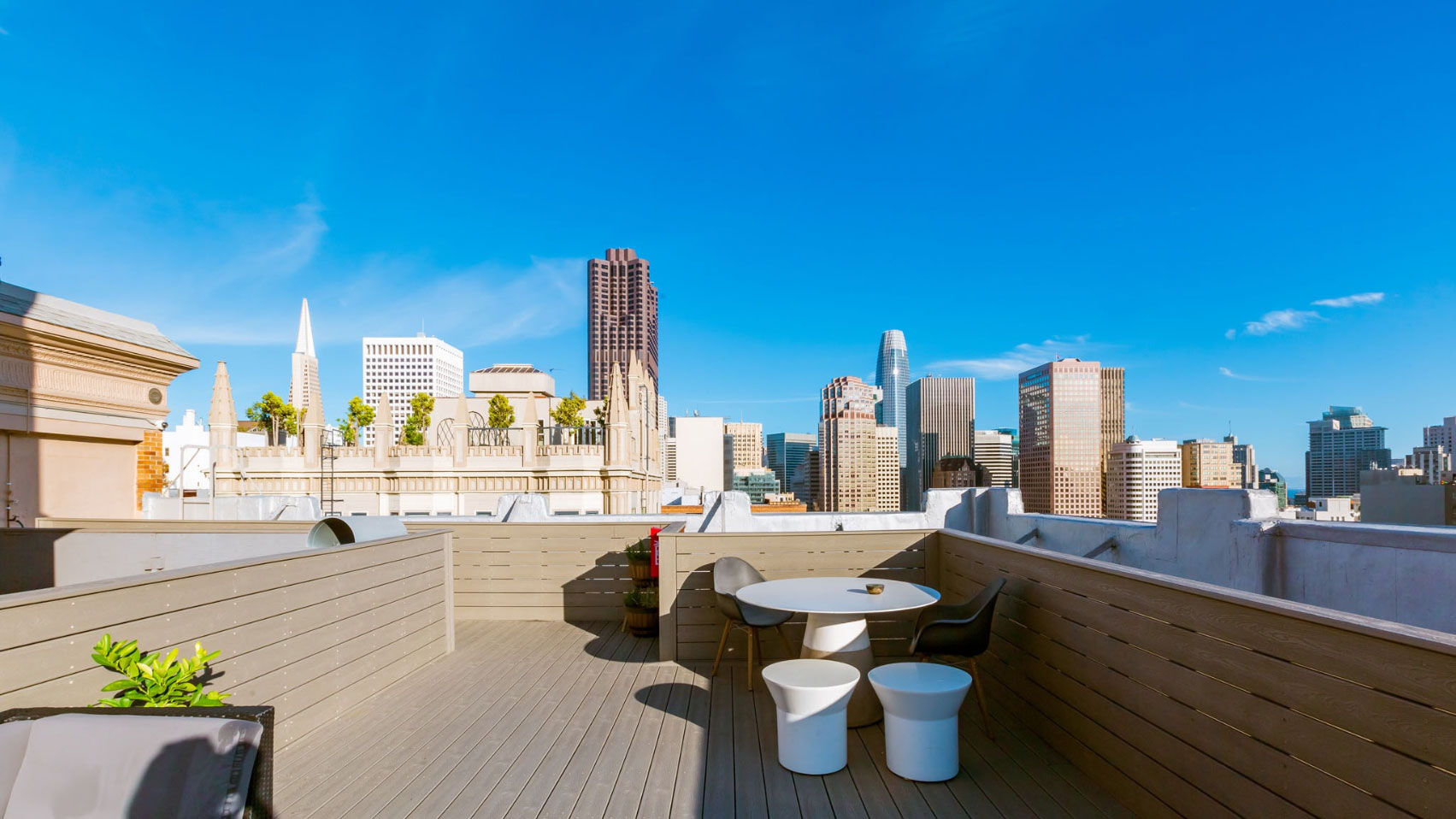
The easiest option: your own balcony or rooftop
Not every apartment has one, but if yours does, this is the night to use it. Imagine ending the night without fighting traffic or hunting for parking afterward. A private balcony or a shared rooftop deck can turn a night like this into something you enjoy from home. If outdoor space is on your wish list, browse available RentSFNow homes or schedule a tour to see what’s out there.
A few practical tips
- Bring a blanket or a low chair, since you’ll want to lie back and take in as much sky as possible
- Dress warmer than you think you need to; San Francisco nights cool off fast, even in August
- Bring snacks and coffee if you’re staying up late or heading out before dawn
- Patience matters more than anything else. The show builds gradually and rewards sticking around
Some of San Francisco’s best moments don’t happen inside a restaurant or at a festival. They happen when the city slows down for a minute. Grab a blanket, bring someone you enjoy spending time with, and spend one of the darkest nights of the year looking up.
