
How to Make Your Bay Area Apartment More Emergency-Ready
September 1st, 2026 \\ RentSFNow Blog
Preparedness doesn’t have to mean stockpiling supplies or turning your apartment into a bunker. For renters, it starts with knowing your building, having a plan, staying informed, and keeping a few essentials within reach.
September is National Preparedness Month, making it a good time to spend 15 minutes getting your apartment ready for the unexpected. You can’t predict when a disruption will happen, but you can make your response easier. Here’s how to get prepared, Bay Area renter style: practical, local, and without the doomsday energy.
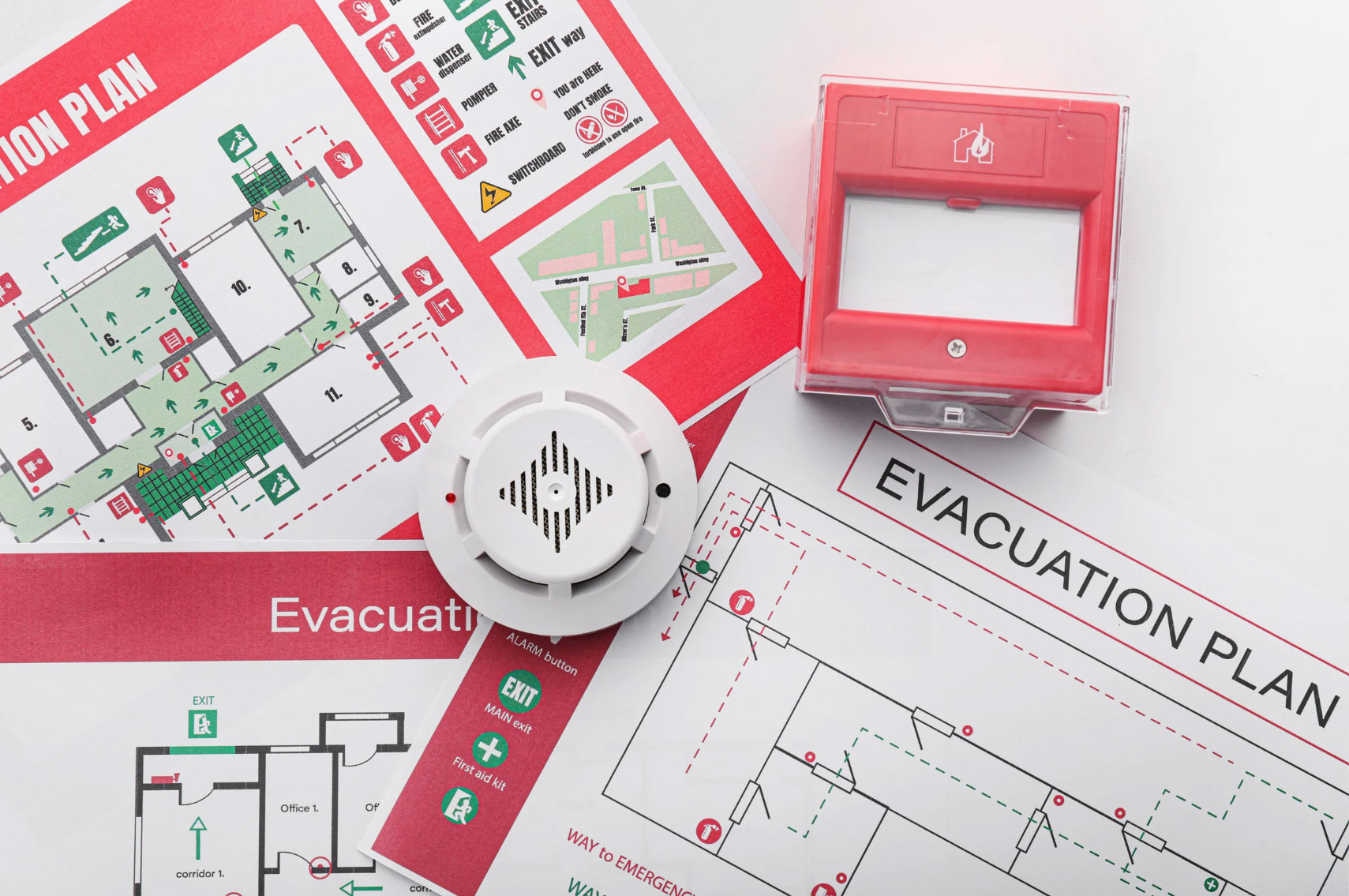
Know Your Evacuation Plan
Start with something simple: know how to get out.
Walk the route you normally use and identify a backup. If you’re above the ground floor, know where the stairwells are instead of relying on the elevator, which may be unavailable during an emergency or power outage.
Check for posted emergency routes in your hallway or lobby and take note of where fire extinguishers are located on your floor.
Then practice your route. It might feel unnecessary when everything is calm but knowing where to go can make a big difference when you don’t have time to think through every step.
Keep the path to your door and other exits clear, too. In a small apartment, boxes, shoes, and furniture can slowly take over your available space. Keeping those pathways open means one less obstacle when you need to move quickly.
Stay Informed
Knowing what’s happening around you is part of being prepared. Sign up for your local emergency alert system so important information comes directly to your phone.
San Francisco:
- Sign up for AlertSF, the city’s emergency alert system (or text your zip code to 888-777). You can also bookmark SF72 for local emergency preparedness resources.
Oakland:
- AC Alert is Alameda County’s emergency alert system, including notifications for Oakland. OAK 311 can help with non-emergency and urgent infrastructure issues, like downed trees, flooding, or signal outages. Dial 311 in Oakland, or (510) 615-5566 from outside the city.
Save your property management and maintenance contacts, too. For utility issues and outage reporting, PG&E: 1-800-743-5000.
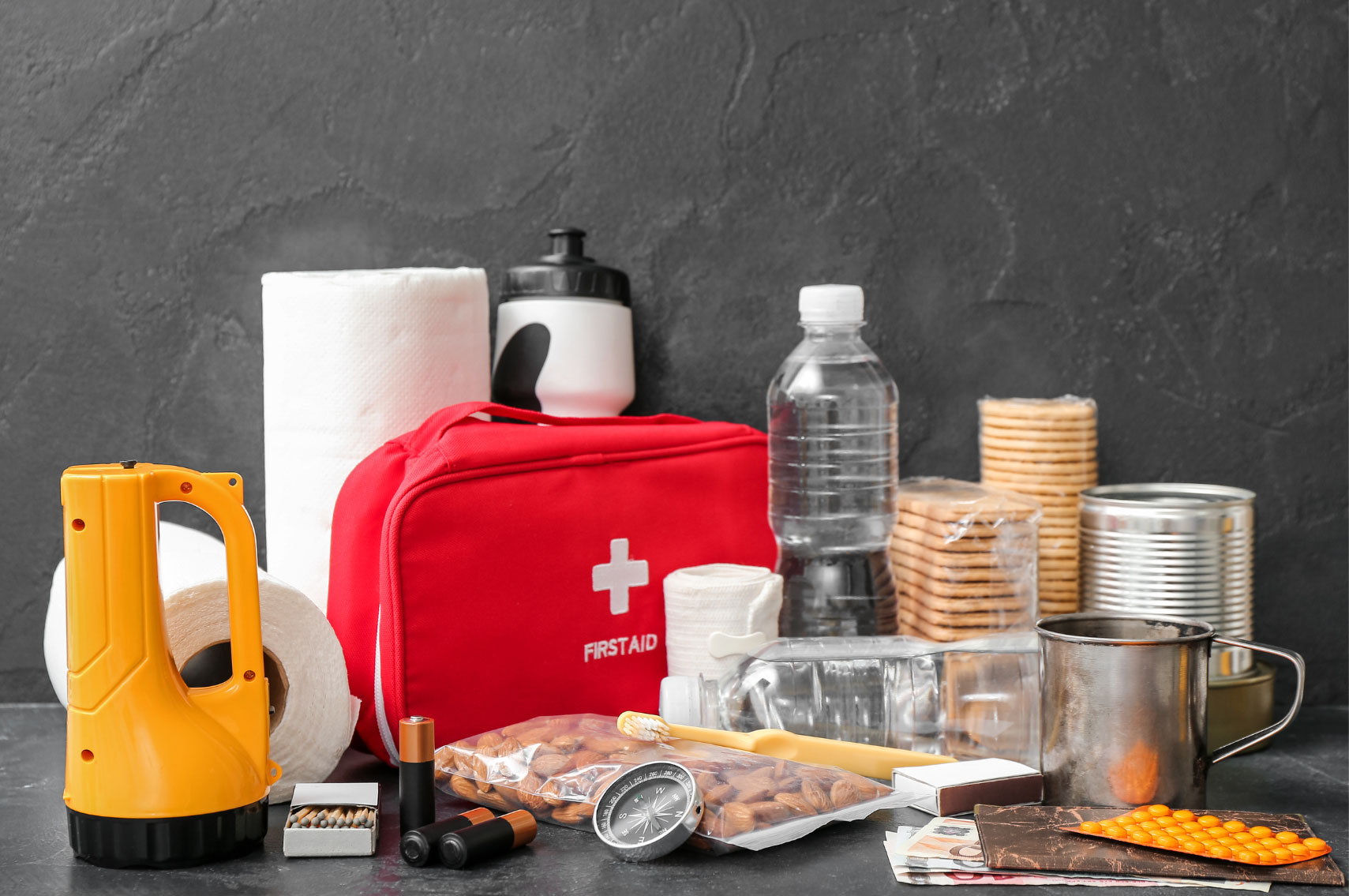
Build a Small Emergency Kit
You don’t need a garage full of gear. A small bag or bin with the basics can go a long way, especially when storage space is limited.
Consider keeping:
- Flashlight and extra batteries
- A charged portable phone charger
- Basic first-aid supplies
- Drinking water
- Shelf-stable snacks
- Essential medications
- Copies of important documents, such as your ID, lease, and insurance information
- Basic hygiene supplies
If you have children or pets, add the supplies they’d need, too.
Keep everything somewhere that’s easy to access. The goal is to know exactly where your essentials are when you need them.

Know Your Apartment
A few things are worth knowing before an emergency, not during one.
Find out where your unit’s water shutoff is located and, if you have gas appliances, where the gas shutoff is located. You may need to contact your property manager or utility provider to handle a shutoff, but knowing where these controls are can help you respond quickly if there’s a leak or other issue.
Check that your smoke and carbon monoxide detectors are working. If one is chirping, damaged, missing, or otherwise not functioning properly, send a maintenance request.
It’s also a good time to secure bookshelves and other top-heavy furniture that could tip during an earthquake. If securing something requires drilling or modifying your unit, check with your property manager first.
Do a 15-Minute Preparedness Check
If you only have a few minutes, knock these off your to-do list to prepare yourself:
- Find your primary and backup exits.
- Practice your evacuation route.
- Check your emergency supplies.
- Charge your backup battery.
- Save your property management and emergency contacts.
- Test your smoke and carbon monoxide detectors.
- Sign up for your local emergency alerts.
Take fifteen minutes this Preparedness Month and you’ll have a much better sense of what to do if the unexpected happens.
The Takeaway
Resilience starts with preparation.
You can’t control when an emergency or disruption happens, but you can control how prepared you are to respond. Knowing your exits, staying connected to local alerts, and keeping a few essentials on hand can help you navigate the unexpected with a little more confidence.
Wherever you are, a few small steps now can make a difference when you need them most.
Your future self, mid-power-outage, will thank you.
That’s the RentSFNow playbook: know your building, know your resources, and you’re already ahead of most people. Browse for more renter guides.
